You walk out of a Denver jail or detox facility with a stack of paperwork in your hand and a pit in your stomach, wondering if one night has just destroyed your future. Your license, your job, even your ability to take care of your family can suddenly feel uncertain. On top of that, the details of the stop, the field tests, and the time in custody may already be a blur.
Right now you need more than legal buzzwords. You need to know what that paperwork actually means, what is going to happen next in Denver, and what you can do in the next few days to protect yourself. There are deadlines you cannot see on the surface, and choices you make now can affect your license, your record, and the strength of any defense you may have. At Fife Luneau, P.C., we focus our practice on DUI and criminal defense in Denver and throughout Colorado. We are frequently asked by media outlets to explain DUI laws and policies, and we regularly guide people through the exact situation you are in right now. In this guide, we walk through what typically happens after a DUI arrest in Denver and how to take control of your next steps.
Call (720) 408-7130 today to setup a consultation, or contact us online to learn more.
What Happens Immediately After a DUI Arrest in Denver
Most DUI arrests in Denver follow a similar pattern. A police officer or trooper stops a vehicle, often for a traffic issue like speeding, weaving, or a broken taillight. The officer may ask questions about drinking, look for signs such as odor of alcohol or bloodshot eyes, and then request that you perform field sobriety tests. If the officer believes there is probable cause, you are arrested and taken to a station, substation, or detox facility for processing.
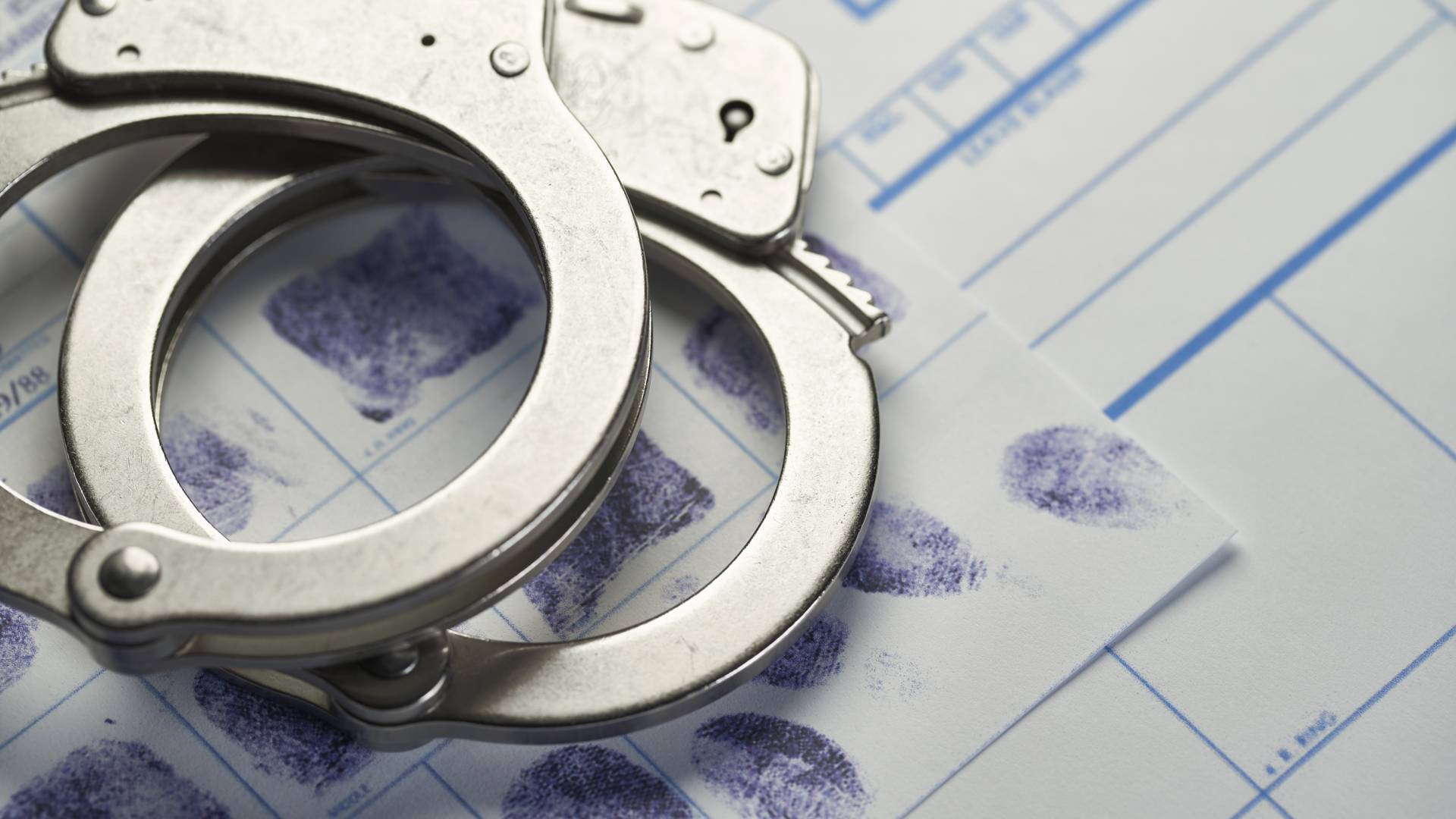
During processing, you are usually asked to submit to a breath or blood test under Colorado’s express consent law. The officer then completes paperwork that includes a summons or ticket with a court date, and often a document related to your driver’s license. After fingerprinting, photographs, and any required holding period, you are typically released on bond or on your own recognizance, sometimes with conditions such as no alcohol consumption or travel restrictions.
The paperwork you walk out with is not just generic forms. It often includes a summons that lists your first court date, the charges the officer has recommended, and where you must appear. If your breath or blood test result triggered express consent procedures, or if the officer claims you refused testing, you may also receive a notice that functions as a temporary license and a warning that your driving privileges are at risk. At Fife Luneau, P.C., we see these packets regularly, and we know how Denver law enforcement and courts typically process them.
What surprises many people is that the criminal case and the DMV license issues are separate tracks that start at the same time. The court summons is about your criminal charges, while the express consent paperwork involves the Colorado Division of Motor Vehicles. Each track has its own timelines, procedures, and possible outcomes, and ignoring either one can lead to painful consequences.
The First 24 to 72 Hours: Steps to Protect Your License & Your Case
The first few days after a DUI arrest in Denver are often the most overwhelming, and they are also some of the most important. One of the best things you can do is organize and protect the information you already have. Make clear copies or photos of all paperwork, including the summons, any temporary license or express consent form, and your bond documents. Store the originals in a safe place where they will not be lost or damaged.
Next, while the events are still fresh in your mind, write down everything you remember about the night and the arrest. Include where you were, what you drank or used and when, who you were with, how you were driving, and exactly what the officer said and did. Note times as best you can, including when you were stopped, when tests were done, and when you were released. These details can fade quickly and may become important when evaluating the legality of the stop or the reliability of the testing.
Colorado’s express consent framework creates a tight deadline to request a DMV hearing after certain DUI arrests. If you received an express consent notice or a temporary license, there is a short window to ask the DMV for a hearing to contest the pending license suspension. People often lose their driving privileges simply because they did not understand that this clock was running. Acting quickly during the first 24 to 72 hours can preserve your right to that hearing.
Avoid talking about your case on social media or making casual statements to friends and coworkers about what happened. Anything you say can eventually find its way into police reports, prosecution files, or even testimony. Instead, use those first days to contact a DUI defense firm that regularly handles DMV hearings in Colorado. At Fife Luneau, P.C., we routinely request these hearings on short notice and start gathering records, video, and other evidence before it is lost or overwritten.
In practical terms, immediate steps to consider in those first days include:
- Preserving paperwork by scanning or photographing every page.
- Creating a detailed timeline, including locations, witnesses, and any receipts.
- Staying off social media when it comes to the arrest or your drinking that night.
- Calling a DUI defense firm quickly so DMV hearing requests and evidence collection can begin in time.
Understanding Colorado DUI Charges, DWAI, and Possible Penalties
Looking at the charge codes on your summons can be confusing. In Colorado, most alcohol related driving cases fall into a few main categories. Driving Under the Influence, often referred to as DUI, typically involves allegations that you were substantially incapable of safely operating a vehicle because of alcohol, drugs, or a combination. Driving While Ability Impaired, or DWAI, generally involves a lower level of claimed impairment, where your ability to drive is affected to the slightest degree.
Blood alcohol concentration, or BAC, often plays a large role in how charges are filed. A BAC of .08 or higher is commonly treated as evidence supporting a DUI charge, while a BAC around .05 can be used to support DWAI allegations. Drug related DUIs can involve no alcohol at all but focus on prescription medications, marijuana, or other substances. The officer’s observations and your performance on field sobriety tests also influence charging decisions, not just the number on a machine.
Penalties for a first DUI or DWAI in Colorado can include potential jail time, fines, court costs, public service, alcohol or drug education, treatment requirements, and license consequences. The exact range depends on the specific charge, your BAC, whether there was an accident, and whether you have prior impaired driving convictions. A second or subsequent offense generally carries greater potential penalties and tighter licensing rules. While these ranges can look intimidating on paper, they represent possibilities, not automatic outcomes.
Many people assume that a high BAC or a prior offense means they are destined for the maximum penalty. In reality, how your case is investigated, how legal issues are raised, and how you present yourself to the court can all influence what ultimately happens. At Fife Luneau, P.C., our in depth work in Colorado DUI cases, and the legal insights that lead media outlets to seek our analysis, inform how we evaluate charges, evidence, and potential paths forward in each case.
Your First Court Date in Denver: What to Expect
Your first court date in Denver is often called an arraignment or advisement, depending on the court. This is usually not a trial and you are not expected to present witnesses or evidence that day. Instead, the court typically informs you of the charges, explains your basic rights, and may ask how you wish to plead. The prosecutor is present, but communication with the prosecutor usually occurs through your attorney, not directly with you.
When you arrive, you generally check in with the clerk or bailiff and then wait until your name is called. Courtrooms in Denver can be busy, and it is common to wait through other cases before yours is heard. When your case is called, you approach the podium with your attorney if you have one. The judge may briefly address bond conditions, confirm your contact information, and schedule future court dates for pretrial conferences or motions.
If you appear without a lawyer, you may feel pressured to make quick decisions or enter a plea without fully understanding the consequences. It can be tempting to plead guilty or no contest just to get it over with, especially if you feel embarrassed or believe the case is hopeless. However, this first appearance is often when discovery is requested, legal issues are identified, and the foundation for negotiations or motions is laid. Entering a plea too soon can cut off opportunities you do not yet know you have.
Having a DUI defense attorney in place before this first date can change the experience. Counsel can speak for you, help ensure bond conditions are reasonable, and begin addressing time sensitive concerns, such as requests for police reports, video footage, and test records. Because our legal team at Fife Luneau, P.C. appears regularly in Denver courts, we know how these calendars typically run, how local judges manage their dockets, and how prosecutors approach early negotiations in DUI cases.
The DMV Case vs. The Criminal Case: Two Tracks, Different Stakes
One of the most confusing parts of a DUI arrest in Denver is realizing that you are dealing with two different processes at once. The criminal case, which unfolds in court, focuses on whether you are guilty of DUI, DWAI, or a related offense, and what criminal penalties, if any, will be imposed. The administrative case, which is handled by the Colorado Division of Motor Vehicles, focuses on your driving privileges under express consent rules.
The DMV hearing is not a criminal trial. There is no jury, and the decision is typically made by a hearing officer. The issues considered often include whether the officer had reasonable grounds to contact you, whether you were properly advised of express consent, whether a chemical test was completed or refused, and whether the result met certain thresholds. The potential outcome is usually a period of license suspension or revocation, sometimes with options for restricted driving and ignition interlock depending on your history and circumstances.These two tracks move at different speeds. The DMV hearing may be scheduled relatively quickly, sometimes before you have had any pretrial conference in criminal court. People often focus so much on the court date that they miss the deadline to request the DMV hearing, which can lead to an automatic license suspension without any chance to contest it. That suspension can affect your work, your family responsibilities, and your day to day life, even if your criminal case is later reduced or dismissed.
A coordinated defense looks at both tracks together. Decisions about whether and how to testify at a DMV hearing can have implications for the criminal case, and information revealed in one process can sometimes be used in the other. At Fife Luneau, P.C., our familiarity with Colorado DMV hearings and criminal proceedings allows us to plan strategically, seeking to protect your license while also preserving your rights and options in court.
- Criminal court: Focuses on guilt, criminal penalties, and your record. A judge and prosecutor are involved, and you have constitutional rights that apply in full.
- DMV hearing: Focuses on your privilege to drive, handled by a hearing officer, with a narrower set of issues and different rules of evidence.
How Evidence From Your DUI Arrest Can Be Challenged
Many people assume that if a breath or blood test number appears high, the case is over. In Colorado DUI defense, the reality is more complex. Every stage of the encounter, from the initial stop to the way tests are given and handled, creates potential legal and factual issues. These issues do not disappear simply because a machine printed out a result or a lab reported a number.
The legality of the original traffic stop is one important area of scrutiny. Officers must generally have reasonable suspicion to pull you over. If the basis for the stop is weak or unsupported, that can affect whether evidence gathered after the stop should be admitted. Field sobriety tests are another area where problems arise. These tests are supposed to be administered in a particular manner, under certain conditions. Poor instructions, uneven surfaces, weather, footwear, and medical conditions can all impact performance and the reliability of the officer’s conclusions. Chemical testing, whether through a breathalyzer or a blood draw, also involves technical and procedural safeguards. Breath testing devices require proper maintenance and calibration, and officers must follow specific observation periods and protocols. Blood samples must be drawn, stored, and transported correctly, and laboratories have to follow sound analytical procedures. Breakdowns at any point can affect the accuracy of the reported BAC or the presence of substances.
Time sensitive evidence often plays a major role in uncovering these issues. Dash cam and body cam video can show how you were driving, how the officer interacted with you, and how field tests were actually performed. Dispatch audio may capture what was reported before the stop. Surveillance footage from bars, restaurants, or streets may contradict or support claims about how much you drank or how you were behaving. Memories from passengers or bystanders are also fresher in the days right after the arrest.
At Fife Luneau, P.C., we place a strategic emphasis on rigorous case preparation and evidence gathering. We work with investigators to track down dash cam and body cam recordings before they are overwritten, request relevant records and logs, and locate potential witnesses while their recollections are still clear. By examining the stop, the tests, and the handling of evidence in detail, we can identify defenses that may not be apparent from the initial police report alone.
Common Mistakes People Make After a DUI Arrest in Denver
Under stress, it is easy to make decisions that unintentionally hurt your case. One common mistake is assuming that nothing needs to happen until the first court date, so there is no rush to act. This mindset can cause people to miss the narrow window to request a DMV hearing, which can lead to an automatic license suspension. It also delays the process of securing video and other records that may be erased or lost with time.
Another frequent problem is talking too openly about the arrest. Some people vent on social media, share details in group messages, or joke about how much they drank. Others try to explain the situation in depth to coworkers or supervisors without any legal guidance. Statements made in the heat of the moment can later appear in reports, discovery, or testimony and may be taken out of context. Once those words are out, they are difficult to pull back.
Many people also defeat themselves mentally by deciding that a high BAC reading or the fact that they refused testing means there is no point in fighting. They may rush to plead guilty or accept the first offer presented, without anyone reviewing the legality of the stop, the administration of field tests, or the integrity of the chemical testing process. This can lead to more severe penalties and longer lasting consequences than might have been necessary.
Finally, some defendants choose a lawyer who rarely handles DUI cases in Denver or who primarily focuses on other practice areas. DUI defense involves a mix of constitutional law, science, and local court and DMV procedure that general practice attorneys may not see on a daily basis. By contrast, our firm focuses on DUI and criminal defense and is committed to protecting constitutional rights and presuming innocence for every client. We aim to prevent these avoidable mistakes by getting involved early and providing clear, practical guidance.
How Working With Fife Luneau, P.C. Can Change Your Path Forward
The period right after a DUI arrest in Denver does not have to be a free fall. When we take on a new case at Fife Luneau, P.C., our first steps are concrete and focused. We review every page of your paperwork, confirm deadlines, and, when appropriate, request a DMV hearing before the window closes. We then begin collecting and reviewing evidence, including police reports, dash cam and body cam video, test records, and any available surveillance or witness statements.
Our proactive approach is rooted in rigorous preparation. We engage investigators when the case calls for it, to track down time sensitive footage, talk to potential witnesses, and gather records that support your version of events. We draw on our extensive familiarity with Colorado DUI laws, Denver court practices, and DMV procedures to build a defense that considers both tracks of your case at once. That preparation helps us challenge DUI penalties effectively and work to mitigate the long lasting effects a DUI conviction can have on employment, housing, travel, and reputation.
Throughout the process, we keep the focus on your constitutional rights and the presumption of innocence. A DUI arrest is an accusation, not a conviction. Our role is to level the playing field against the prosecution and the DMV, and to make sure every factor that points toward your innocence or toward reduced penalties is fully developed and presented. We also work to minimize disruption to your life as your case moves forward, by addressing license options, court scheduling, and necessary classes or treatment in a coordinated way.
If you are facing a DUI arrest in Denver, you do not have to navigate this alone or guess at what matters most. Talk with us about your paperwork, your deadlines, and your options so we can help you chart a path forward that protects both your license and your future. Call (720) 408-7130 to speak with the team at Fife Luneau, P.C. about your DUI arrest in Denver.